


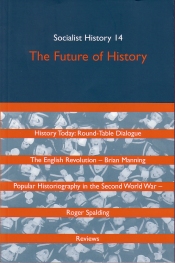
This issue debates the meaning and the future of historical writing and practice. It examines some of the issues that have been especially prominent in recent years: the introduction of postmodern perspectives into British historical writing, and the continuing value — or otherwise — of the Marxist approaches to historical understanding.
The centrepiece is a transcript of the roundtable discussion convened by David Parker amongst a number of leading historians from various areas of expertise and methodological standpoints. Eileen Yeo, Richard Evans, Kevin Morgan, Jim Sharpe, Peter Jones and Mike Savage discuss, amongst other themes, revisionism, postmodernism, Marxism, languages of class, gender perspectives and social and cultural power.
The main content of No. 14 is completed by two historiographical articles: Brian Manning explores revisionism in the contested history of the English Revolution of the seventeenth century, emphasising the importance of social classes and class conflict. Roger Spalding, via a critique of an influential text with postmodernist overtones, examines the popular historiography of the Second World War.
A selection of reviews completes this number. These too focus upon the problems of historical interpretation — in fields as diverse as postmodernism, Walter Benjamin, communist history, the French ancien regime, gender and class, and archaeology.